Your Guide to Safety Shoes: Protecting Feet at Work
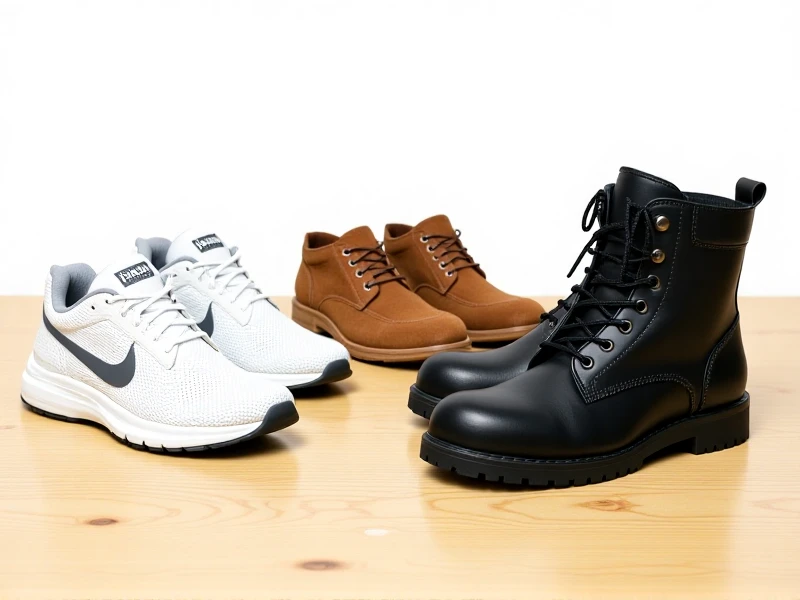
Every year, thousands of workers experience preventable foot injuries on the job. Slips, punctures, impacts, and electrical hazards are constant threats in many industries. That's why the right Safety Shoes aren't just a comfort choice; they're a critical requirement for workplace safety. Choosing properly certified protective footwear can dramatically reduce the risk of severe injury and keep you productive.
What are Safety Shoes, exactly? They are specialized footwear designed to protect your feet from specific workplace dangers. Unlike standard shoes, they incorporate protective features like steel or composite toe caps that meet rigorous safety standards (such as ASTM F2413 or EN ISO 20345). These caps shield your toes from crushing impacts or rolling objects. Many models also feature puncture-resistant midsoles made of steel, Kevlar, or composites, preventing sharp objects like nails or glass from penetrating through the sole.
The importance of reliable Safety Shoes cannot be overstated. In hazardous environments like construction sites, warehouses, factories, or electrical utility operations, the potential for foot injuries is significant. A heavy tool dropped on an unprotected foot can cause fractures or amputations. Stepping on a sharp object can lead to deep wounds and serious infections. Slipping on a wet surface can result in sprains, strains, or other devastating falls. Safety boots designed specifically for the task form a fundamental barrier against these risks.
Modern Safety Shoes offer far more than just protection. Comfort and functionality are vital for all-day wear. Many feature:
- Electrical Hazard (EH) Protection: Provides a secondary source of protection against live circuits.
- Static Dissipating (SD) or Conductive (CD) Soles: Control static electricity, crucial in environments with flammable materials or sensitive electronics.
- Slip-Resistant Outsoles: Specifically designed tread patterns enhance grip on slippery surfaces like oil or water.
- Metatarsal Guards: Additional protection for the vulnerable metatarsal bones on the top of the foot.
- Waterproof and Breathable Membranes: Keep feet dry in wet conditions without overheating.
- Excellent Arch Support and Cushioning: Reduce fatigue during long shifts.
Investing in high-quality Safety Shoes isn't just about meeting regulations; it's about investing in your wellbeing and productivity. Comfortable, protective footwear reduces fatigue, minimizes discomfort, and allows you to focus on the task. Replacing worn-out shoes promptly ensures continuous protection. Employers prioritizing comprehensive Personal Protective Equipment (PPE), including certified safety footwear, see reduced injury rates, lower costs, and a more dedicated workforce. When choosing your next pair of Safety Shoes, prioritize the right protection needed for your specific job hazards, ensuring a durable, comfortable fit. Your feet deserve the best defense. Protect them properly.