Essential Guide to Choosing the Best Safety Shoes for Maximum Protection
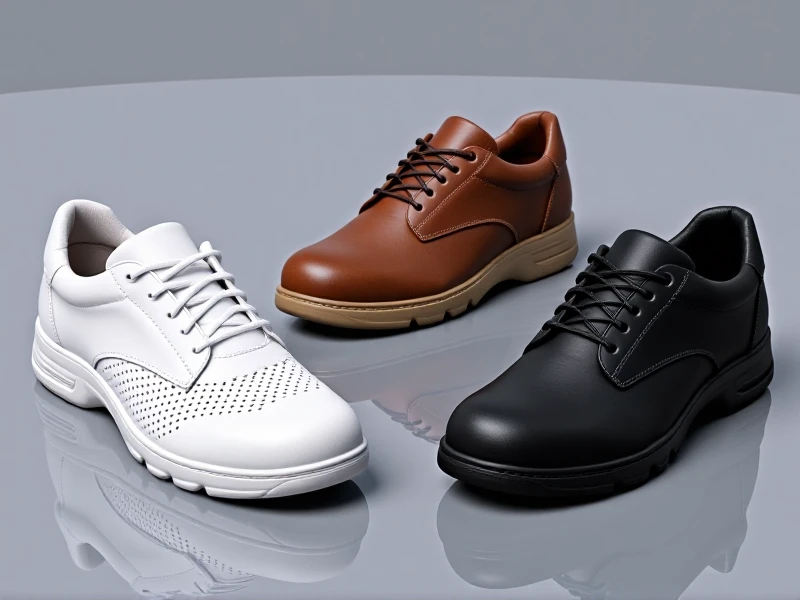
Safety shoes are a fundamental requirement for millions of workers worldwide, protecting feet from hazards inherent in industries like construction, manufacturing, warehousing, and oil & gas. Selecting the right footwear isn't just about comfort; it's a critical investment in personal safety and workplace compliance. Understanding the key features of safety shoes ensures you get optimal protection tailored to your specific job risks.
Why Safety Shoes Are Non-Negotiable
Foot injuries can be severe and debilitating. Common workplace dangers include:
- Impact & Compression: Heavy objects falling or rolling onto feet require reinforced toes.
- Punctures: Sharp objects like nails or metal shards piercing the sole.
- Electrical Hazards: Protection against shocks is vital in electrical environments (EH-rated).
- Slips & Falls: Oily or wet surfaces demand superior grip and slip-resistant soles.
- Extreme Temperatures: Heat resistance for foundries or cold resistance for freezers.
Safety shoes with appropriate ratings directly mitigate these risks, reducing accidents and promoting long-term health.
Core Protective Features Explained
Quality safety shoes integrate several protective components:
-
Safety Toe Caps (ASTM F2413 / EN ISO 20345): The most recognizable feature. Choose between:
- Steel Toe: Traditional, high impact resistance, cost-effective.
- Composite Toe: Lightweight, non-metallic (ideal for security/metal detection), no cold conductivity.
- Alloy Toe: Lighter than steel, strong protection.
-
Puncture-Resistant Midsoles: A thin, flexible plate embedded in the sole stops sharp objects from penetrating upwards. Crucial for construction or debris-heavy sites (ASTM F2413 PR or SRC for EN ISO).
-
Slip-Resistant Outsoles: Look for high-traction rubber compounds and specialized tread patterns engineered for specific hazards like oil, chemicals, or wet conditions. SR ratings are essential.
-
Electrical Hazard (EH) Protection: Designed to reduce the risk of electric shock in circuits up to 18,000 volts if accidentally energized. Note: Not for direct contact in energized environments. ASTM F2413 EH or EN ISO 20345 S3 E HI rated.
-
Metatarsal Guards: Offer additional protection for the vulnerable metatarsal bones on top of the foot (often add-ons or integrated).
Selecting the Right Fit for Your Job
- Identify Key Hazards: What specific dangers do you face daily? Prioritize features accordingly.
- Know the Standards: Ensure shoes meet the relevant safety standards (e.g., ASTM F2413 in the US, EN ISO 20345 in Europe). Ratings are clearly marked inside the tongue or collar.
- Prioritize Comfort & Fit: Protection is useless if the shoes aren't worn. Look for adequate cushioning, arch support, breathable linings (like moisture-wicking mesh), and ensure correct sizing with work socks. Boots should be stable and supportive.
- Consider Specific Needs: Waterproofing, insulation for cold, heat resistance, chemical resistance (SD rated soles), or static dissipative (ESD/SD) properties for sensitive electronics are specialized requirements.
- Reliable Brands: Timberland PRO, KEEN Utility, Skechers Work, Wolverine, CAT Footwear, and Dr. Martens Industrial offer tested, durable options.
Why Invest in Quality Safety Shoes?
Beyond basic compliance, proper safety shoes contribute to:
- Reduced Absenteeism: Preventing injuries keeps workers on the job.
- Enhanced Productivity: Comfortable feet reduce fatigue, improving focus and stamina.
- Lower Costs: Minimize expensive workplace injury claims and downtime.
- Workplace Culture: Demonstrates an employer's commitment to worker wellbeing.
Never compromise on footwear protection. The right pair of safety shoes is more than equipment; it's essential armor for a safe and productive workday. Always assess your specific workplace hazards and consult footwear specialists or safety suppliers when choosing between options like work boots or trainers to ensure maximum protection and peace of mind.